Growing Tea in the Pacific Northwest
Pests and Diseases
Authors: McKenzie Shelton, Carol Miles
Affiliation: Washington State University, Northwestern Washington Research and Extension Center, Mount Vernon
Abstract
Tea (Camellia sinensis) production is just beginning in the Pacific Northwest, and for production to expand, growers, nurseries, and homeowners need to know of potential arthropod pests and diseases, and how to control them. Field surveys performed in the summer and autumn of 2025 of two tea plantings in northwest Washington, where no pest management applications were made in the preceding year, identified scales, spider mites, aphids, leafhoppers, and thrips as arthropod pests associated with tea in this region. No diseases were observed on tea plants during the survey period. Natural predators, such as predatory mites, parasitoid wasps, lacewings, dance flies, and ladybeetles, were also observed during this survey period. Findings from this one-year survey suggest that growing tea in northwest Washington is likely to have low risk from arthropod pests and pathogens; however, some pest management may be necessary.
Introduction
Tea was first planted in the United States around 1800 in the southeast region, and was planted in the Pacific Northwest in Salem, OR in 1988 and in Burlington, WA, in 1997 (Miles and Shelton 2026; Shepard 1893). Today, there are only about 40 ha of tea planted in the United States and 8 ha in the Pacific Northwest, and it is still considered a new crop. There is extensive information regarding arthropod pests and pathogens that impact tea in the primary growing regions of the world, such as China, India, Kenya, and Sri Lanka (Chen and Chen 1982; Gadd 1949; Hazarika et al. 2009; Sarmah 1960). In the United States, there are few informational resources and guides on disease and pest management of the tea crop from the University of Hawai‘i (Hamasaki et al. 2008; Keith et al. 2006; Zee et al. 2003).
As interest in tea production is gaining popularity in the Pacific Northwest, there is a need to provide information regarding arthropod pests and pathogens that may impact the crop. This report includes a review of arthropods that were observed in a survey conducted in 2025 as well as their management options. While no diseases were observed in our survey, an overview of the major pathogens found in other tea growing regions that have the potential to infest tea in the Pacific Northwest is included. This potential of pest infestation is exacerbated by regular importation of plant material from countries around the world and a rapidly changing climate that may make the Pacific Northwest more climatically suitable for this species, which was previously restricted to tropical and subtropical regions (Bebber et al. 2013; Kenis et al. 2018; Liebhold et al. 2012; Ma et al. 2025). The information provided in this report will enable growers, nurseries, homeowners, and agricultural professionals to make informed decisions when growing tea in this region, as well as determine future needs for registered chemical control options.
Methods
A field survey was carried out at two locations in northwest Washington to assess the incidence of arthropod pests and diseases on production age (minimum of 3 years old) tea plants in Skagit County, Washington. The two field survey locations were the Washington State University Mount Vernon Northwestern Washington Research and Extension Center (WSU NWREC) in Mount Vernon, WA (Latitude: 48°26’23”N; Longitude: 122°23’11”W) and a private garden in Burlington, WA, located 12 km away from WSU NWREC. The tea planting at WSU NWREC was about 0.05 ha total, and the survey was carried out on three rows (30 m long) of 45 tea plants each. Plants of cvs. Minto Pacific (n = 117) and Fairhope (n = 18) that were surveyed were 4 to 6 years old. The private garden (0.8 ha) in Burlington, WA, included a hedge row of ca. 20 plants of cv. Minto Pacific planted in 1988, and 30 plants of various genotypes aged 4–26 years planted throughout the garden. These genotypes originated from seed collected in South Carolina and planted in Salem, OR in the 1980s, and selected seedlings were vegetatively propagated and planted in Burlington, WA in 1989 (Miles and Shelton 2026). Neither survey site was actively managed for pests or diseases in the year preceding this study. Surveys at both sites were carried out throughout the entire plantings as there were no border rows or plants.
In 2025, the maximum and minimum temperatures recorded at WSU NWREC were 31.2°C and –8.6°C in the summer and winter months, respectively, with a cumulative annual precipitation of 812 mm (AgWeatherNet, Mount Vernon, Station Summary 2025). In Mount Vernon, WA, the winter months (December to February) average 2.8 to 3.5⁰C, and the summer months (June to August) average 14.7 to 18.2⁰C (Climate Data n.d., 1991–2021). Around 72% of annual precipitation tends to occur from October through March, and the average annual humidity fluctuates between 71% and 87% (Climate Data n.d., 1991–2021). In Burlington, WA, a weather station located 7 km from the private garden recorded 26.8°C in the summer months and –10.2°C in the winter months, and cumulative annual rainfall of 863 mm (AgWeatherNet, Sakuma, Station Summary 2025).
The surveys were performed on 26 June (summer) and 3 October (autumn) at WSU NWREC, and on 14 July (summer) and 3 October (autumn) in Burlington, WA. Surveys at both field sites and both sampling times consisted of three sampling approaches: observational, leaf brush, and vacuum. For observational sampling at each site, 10 tea plants were arbitrarily selected and visually inspected for 30 s each. Any visible arthropods, or signs of their activity (webbing, frass, feeding injury, etc.), and signs and symptoms of diseases were recorded.
For leaf brush sampling at each site, five leaves were clipped at the base of the stem from each of 10 randomly selected plants. Each leaf was placed separately by plant number and site in a zip-top bag, sealed, and placed in a freezer (–17.8°C) within 1 h of sampling. Leaf brush samples were processed with a leaf-brushing machine for 3–5 s (Leedom Enterprises, Mi-Wuk Village CA, USA) using motorized rotating brushes to dislodge any contents from the leaf surface onto a rotating glass plate for counting under a stereoscopic microscope (AmScope; 7x to 20x magnification) (VanBuskirk et al. 1999).
For vacuum sampling, a leaf blower modified to operate in reverse by pulling air in instead of pushing air out was used to extract arthropods from the plants into a 19 L mesh paint straining bag secured within the suction tube (Osborne and Allen 1999). At WSU NWREC, 10 plants were randomly selected for one bulked sample per survey, and these plants were not used for the other two sampling methods. For vacuum sampling at the Burlington site, groups of tea plants were sampled as plant spacing and maturity prevented the precise identification of individual plants for the broad application of the reverse leaf blower. Samples from the vacuum sampling method were taken from one group of plants in the cv. Minto Pacific hedge (about 3 m row length) and one group of plants of the other cultivars (about 3 m row length), and were bulked into a single sample per survey. Mesh collection bags were tied and placed in a freezer (–17.8°C) within 1 h of sampling. Frozen contents from the sample bags were emptied onto a plastic tray and viewed under a stereomicroscope (AmScope; 7x to 20x magnification).
All arthropods from leaf brush and vacuum sampling methods were identified, counted, and classified as a pest or natural enemy based on historical information. Many of these arthropods were difficult to identify to a taxon lower than family without expert observation. For this reason, most of the results and overviews presented here were generalized within well-recognized taxa. Photographs of arthropods were taken in the field with a cell phone (iPhone 15 Pro, Apple Inc., Cupertino, CA, USA). Following collection, photographs were taken using a cell phone camera through a microscope (AmScope; 7x to 20x magnification) or using a Nikon SMZ18 Zoom Stereo Microscope (7.5x to 100x magnification).
For the purposes of this study, only descriptive counts are reported, as the dataset was not suitable for statistical comparison due to limitations in repetitions and inconsistencies among survey sites. A review of the literature, including university Extension publications, peer-reviewed articles, books, and government organizations, was carried out to provide an overview of the arthropods that were observed in the survey. In addition, the arthropod pests and diseases common to established tea growing regions, which could become established in the Pacific Northwest based on climate suitability were summarized from the literature to document the potential issues for northwest Washington as tea production becomes established. Management options for each pest and pathogen were also discussed.
Results and Discussion
Survey Findings
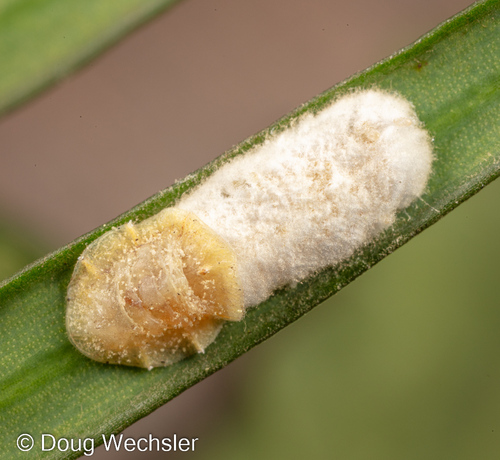
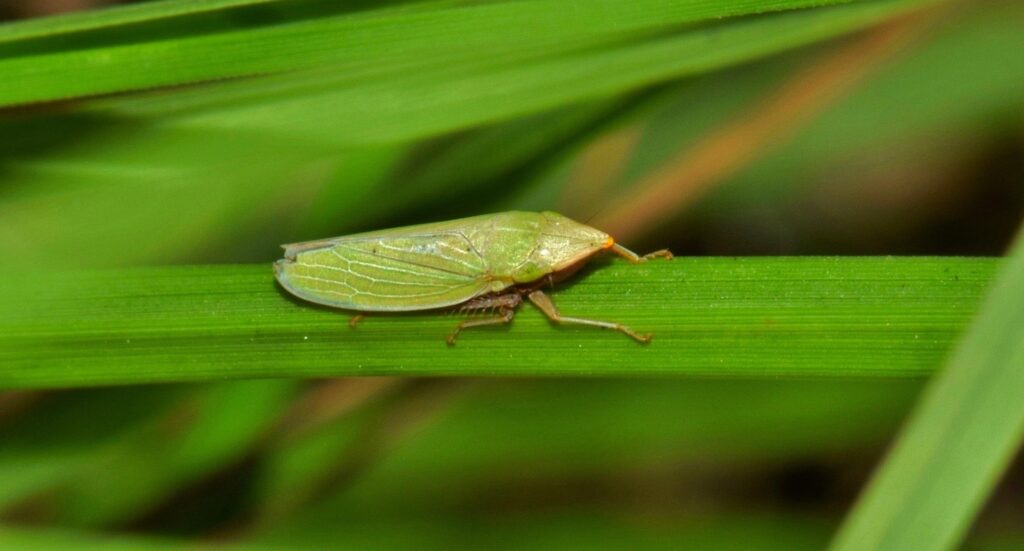
Worldwide, there are over 100 species of arthropod pests that affect tea plants (Kawai 1997). However, in northwest Washington, few of these arthropod pests were observed in the two field plantings that were surveyed in 2025. The observed taxa were scale insects (Coccoidae), spider mites (Tetranychidae), aphids (Aphididae), leafhoppers (Cicadidae), and thrips (Thysanoptera) (Table 1). Individuals within these taxa were not classified to the species level, which would have required expert identification, as the purpose of this survey was to develop a general understanding of current arthropod presence among tea in this region. Across all sampling methods and surveys, a total of 341 scales (nymphs and adults) were observed, and the leaf brush sampling method yielded the best detection of these insect pests. A majority of these (69%) were observed during the summer collection at the Burlington garden. Many scales in the survey appeared to be in nymph stages. Soft scales were observed in our surveys (Fig. 1), and the recognizable ‘cottony’ egg sacs belonging to cottony camellia scale (Pulvinaria floccifera) were observed (n = 28; Fig. 2). In the nearly 30 years that tea has been grown at the Burlington survey site, cottony camellia scale has been described as a frequent insect pest (Vendeland J, personal communication). Thus, a detailed overview is provided for cottony camellia scale, and this information can largely be extended to other soft scale species, as they are generally similar in size and lifecycle, and they cause similar effects on plants (Cornell Cooperative Extension 2020).
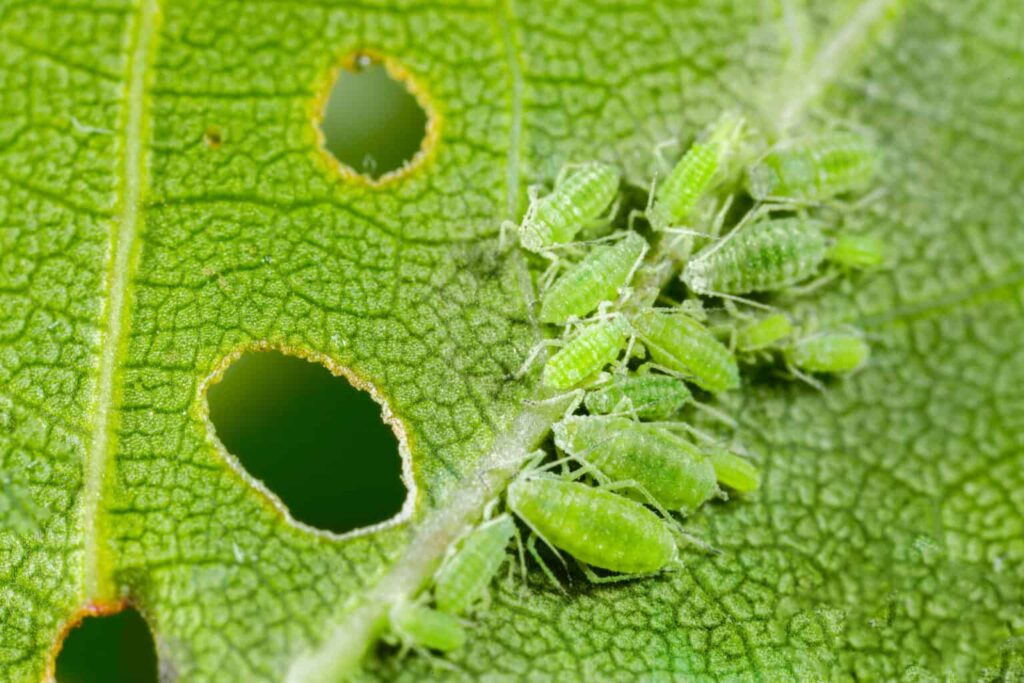
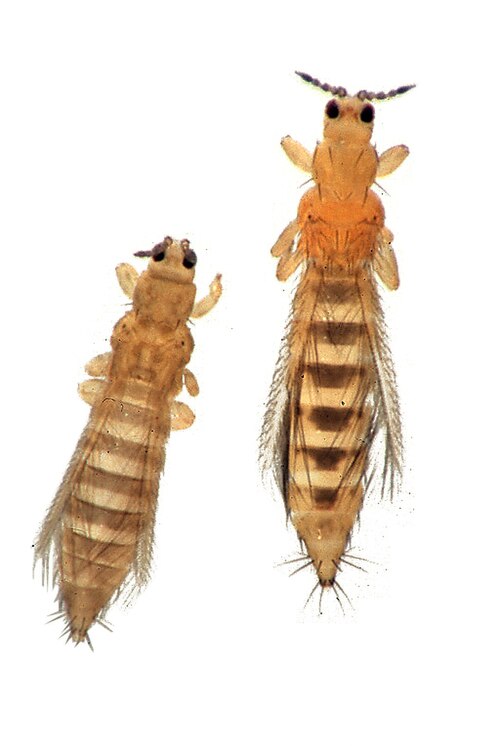
Across all sampling methods and surveys, a total of 245 spider mites were observed. Of these, 63% were recorded from the survey conducted in autumn at the Burlington garden. Many spider mites were yellow to whitish-clear in appearance (Figs. 3A, 3B). No spider mites were found in the observational sampling method, likely due to their small size. The leaf brush sampling method yielded the best detection of spider mites. The Tea Board of India (2014) reports that the economic threshold level for spider mites on tea is four mites per leaf, suggesting that the observed numbers from these surveys, collected from the canopies of over 40 tea plants across multiple field sites and seasons, are unlikely to be worrisome. For example, from the leaf brush sampling method in the Burlington garden on the autumn sampling date, the greatest number of mites was observed (n = 140), and the average number of mites per observed leaf was 2.8. Across all three sampling methods and both surveys, a total of 85 aphids (Fig. 4), 46 leafhoppers (Fig. 5), and a single thrips (Fig. 6) were observed. Aphids and leafhoppers varied widely in appearance, indicating an assortment of different species, and the vacuum sampling method yielded the best detection of these insect pests.
The tea plants from which these samples were collected showed no obvious symptoms of stress from arthropod pests, suggesting the pressure to be low. Several predatory arthropods were also observed in the surveys, indicative of some level of natural biological control. These natural predators included predatory mites (Bdellidae) (Fig. 7), parasitoid wasps (Hymenoptera) (Fig. 8), lacewings (Chrysopidae) (Figs. 9, 10), dance flies (Hybotidae) (Fig. 11), and ladybeetles (Coccinellidae) (Fig. 12). Predatory mites can be used to control thrips and spider mites (Knapp et al. 2018). Parasitoid wasps can parasitize scales, aphids, and leafhoppers (Wang et al. 2019). Lacewing and ladybeetle larvae and adults feed on aphids (Fig. 12), scales, and spider mites (Dixon 2000; UM Extension 2023). Dance flies are known to feed on aphids (Hortsense 2025b).
No signs of pathogens or symptoms of disease were observed on any plants at either surveyed location. However, there are several plant pathogens that could impact tea in this region if production expands as these pathogens are climatically suitable for the Pacific Northwest. A brief overview of these primary diseases is included here, so growers and consultants can learn what to look for.
Overview of Arthropod Pests of Tea Found in NW Washington Survey
The following descriptions include information on the distribution, signs and symptoms, life cycle, and management of arthropod pests found in our surveys, which were not identified to the species level and which were categorized as belonging to the following taxa: scales, spider mites, aphids, leafhoppers, and thrips. Table 2 details chemical management options for these arthropod pests that are registered for tea in Washington State as of March 2026, according to Washington State University Pesticide Information Center OnLine (WSU PICOL). Pesticides and other chemical management options should always be implemented according to product labels, and users should stay informed of current registrations and restrictions. The use of commercially available biological control organisms should be implemented with consideration of state and federal regulations.
Cottony Camellia Scale
Distribution
Cottony camellia scales are native to Asia and are commonly found throughout the United States (Baker 2024; Forest Protection Service 2025; Rosetta 2017). This pest is noted as problematic in some areas of tea production, such as Iran (Naeimamini et al. 2014). Host plants include Camellia spp., Yew (Taxus spp.), Holly (Ilex spp.), Hydrangea spp., English ivy (Hedera helix L.), and Maple (Acer spp.), among others (Rosetta 2017; Talabac 2023). Nurseries in the Pacific Northwest have noted significant presence of cottony camellia scale, with many recorded outbreaks in the north Willamette Valley (Rosetta 2017). A 2-ha tea planting in northwest
Washington had a high infestation of this insect pest in 2008 (Sakuma R, personal communication).
There are other scale species (Superfamily: Coccoidea) known to affect tea production globally that have a presence in the United States, including the green scale (Coccus viridis) (Bragard et al. 2023; UPASI TRF n.d.; von Ellenrieder 2025). The green scale is native to Africa with a reported presence in California, Florida, and Hawaii (von Ellenrieder 2025). While this review describes cottony camellia scale in depth, the information can be generally applied to these other important soft scale species, as they have similar lifecycles and effects on host plants (Cornell Cooperative Extension 2020). Scouting and monitoring should include a broad awareness of potential soft scale species.
Signs and Symptoms
Immature cottony camellia scales, commonly known as crawlers, feed on sap from stems and leaves of their host by inserting a stylet into the phloem cells (Raupp 2010). Crawlers can be found most often on the undersides of leaves on the leaf veins (Kaur 2025a). Scales excrete honeydew that can result in the growth of black sooty mold (most commonly caused by Cladosporium and Alternaria spp.) (Baker 2024; Talabac 2024). The feeding of a large population of scales can weaken a host plant, but small populations will often go unnoticed (Talabac 2024). Feeding by cottony camellia scales occasionally leads to yellowing of affected leaves (Kaur 2025a).
Life Cycle
Cottony camellia scales are white or tan colored soft-bodied insects, about 3 mm in length (Baker 2024). Adult females are oval-shaped, with a stripe down the middle of their bodies. They lay eggs in the spring in a white “cottony” mass called an ovisac, usually found on the underside of leaves (Talabac 2023; Baker 2024; Kaur 2025a). Adult females will develop a darker brown color before laying the ovisac (Talabac 2023). Male scales are winged and are often overlooked due to their very small size (Talabac 2024). Cottony camellia scale has only one generation per year (Baker 2024). The crawlers will emerge to feed between June and October and eventually overwinter on the plant. They will reproduce in the following spring, either as mobile males or leaf-bound females (Raupp 2010; Talabac 2023).
Management
For control, cottony camellia scales and their egg masses can be removed by gently scraping or scrubbing plant stems and leaves (Hortsense 2025a). Scales and their eggs may reside within leaf axils or other inaccessible locations, making hand removal challenging. Cottony camellia scale may be partially controlled by predators in outdoor settings (Kaur 2025a). Parasitoid wasps, lacewings, predatory mites, and ladybeetles are common biological controls applied to manage scale species (Kabashima and Dreistadt 2014). If chemical control is warranted, summer and early autumn are the ideal times for insecticide application as the immature scales are soft-bodied, though they are mobile. See Table 2 for chemical control options.
Spider Mites
Distribution
Spider mites in the order Acari (Family: Tetranychidae) have a worldwide distribution and affect many sectors of agricultural production (Vacante 2016). This pest is prevalent throughout the United States, affecting vegetables, fruits, forage crops, and ornamental crops (Beers and Hoyt 1993). In the southeastern United States, spider mites are the most problematic pest of ornamental plants (Boyd and Gorsuch 2003).
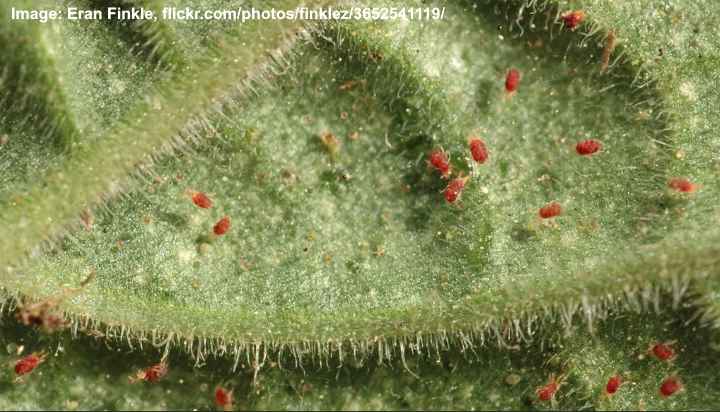
Spider mites found in major tea growing regions and within the United States include the broad mite (Polyphagotarsonemus latus) and kanzawa spider mite (Tetranychus kanzawai) (Banks 1904; Denmark 1980; Gautam et al. 2025; UPASI TRF n.d.). The southern red spider mite (Oligonychus ilicis), which affects other Camellia spp. in the United States, was found on tea plants in a greenhouse at WSU NWREC and was identified by the USDA Animal and Plant Health Inspection Service in February 2025 (Figs. 13A and 13B).
Signs and Symptoms
Spider mites create dense webbing over leaves, and they use the webbing to move and protect themselves as well as their eggs from predators and pesticides (Cranshaw and Sclar 2025; Potter 2008). Spider mites tend to reside on the undersides of leaves and feed using a stylet that pierces the epidermis of plant tissue (Jeppson 1975; Potter 2008). Leaf bronzing is a noticeable symptom on mite-affected leaves, and in severe cases leads to leaf drop and plant death (Potter 2008).
Life Cycle
Spider mites are very small and are relatively difficult to identify (Majeed et al. 2022). Adults are oval and about 0.3 to 1 mm in length (Beers and Hoyt 1993; Godfrey 2011). Being arachnids, adults and nymphs have eight segmented legs, whereas immature life stages have six legs (Jeppson 1975). Body coloration may be yellow, green, red, or brown. For most species, female spider mites overwinter as adults and become active and lay eggs in warmer weather (Kaur 2025c). However, some species are active in spring and autumn and overwinter as dormant eggs (Cranshaw and Sclar 2025; Kaur 2025c). Spider mite eggs are generally translucent or light yellow (Beers and Hoyt 1993). Hatching is followed by one larval stage, two nymph stages, then adulthood (Jeppson 1975). Spider mites can complete this lifecycle in less than one week; thus, many generations can occur in a season (Potter 2008).
Management
For physical control of spider mites, use strong water sprays to knock the mites off plants and to remove webbing and egg masses (Cranshaw and Sclar 2025). Predators can be used to manage spider mites, including predatory mites, predatory thrips, ladybeetles, and minute pirate bugs (Orius spp.) (Godfrey 2011). If an insecticide is applied to a crop to target a different pest, a spider mite outbreak is likely to occur as insecticides frequently kill its natural predators (Cranshaw and Sclar 2025; Godfrey 2011).
Aphids
Distribution
Aphids are very diverse insects with over 1,000 species in North America, however most of these are not significant agricultural pests (Dixon 1977). Most aphids feed on a single species or a few closely related species, and some aphids reside on a woody primary host during the winter and an herbaceous secondary host during the summer (Podsiadlowski 2016). The black citrus aphid (Toxoptera aurantii) is a tropical and subtropical species affecting tea in primary growing regions and is also present in the southeast and west coast of the United States (Carver 1978; Stoetzel 1994; UPASI TRF n.d.).
Signs and Symptoms
Aphids feed on the phloem of stems, leaves, and roots, using a “sucking beak,” and are known to transmit plant viruses (Mahr n.d.; Podsiadlowski 2016; Sorenson 2003). Feeding from an aphid infestation can result in plant chlorosis, distorted leaves, and reduced plant vigor (Mahr n.d.). Aphids also release honeydew as a byproduct of their feeding, which frequently becomes covered with sooty mold (Sorenson 2003; Mahr n.d.). Aphids shed their exoskeletons, which are often white in color and observed on infested plants (Mahr n.d.).
Life Cycle
Aphids are oval or pear shaped and usually around 3 mm long. They can take on different shapes due to changes in the season, movement to different hosts, overcrowding, or food shortage (Dixon 1977; Mahr n.d.). Aphids can be alatae (with wings) or apterae (without wings). Some species estivate while others remain active throughout the summer season (Dixon 1977). Aphids have complex lifecycles; they can be either monoecious or dioecious and holocyclic or anholocyclic. Monoecious aphids exist on a single host species throughout the year, while dioecious aphids have both a primary and secondary host species. Holocyclic aphids reproduce sexually in autumn to produce eggs that overwinter, and anholocyclic aphids reproduce parthenogenically and can give birth to 100 live young during the 20–30 d in which a female aphid typically reproduces (Mahr n.d.; Sorenson 2003). Through the spring and summer, live, asexual reproduction is standard (Sorenson 2003). Changes in day length results in the switch from asexual to sexual reproduction, as shorter days and cooler temperatures produces male aphids (Dixon 1977; Mahr n.d.).
Management
Physical control of aphids includes spraying leaves with strong streams of water to dislodge aphids, and squishing aphids by hand (Mahr n.d.). There are many natural predators of aphids that can be used as biological control, including aphid midges (Aphidoletes aphidimyza), brown and green lacewings (Hemerobiidae and Chrysopidae, respectively), ladybeetles, minute pirate bugs, and parasitoid wasps (Mahr n.d.). See Table 2 for chemical control options.
Leafhoppers
Distribution
Leafhoppers are in the Cicadellidae family which is distributed worldwide (Deitz et al. 2008; DeLong 1948). Leafhoppers have a wide host range, including many herbaceous and woody ornamentals, and fruit and vegetable crops. Some leafhoppers feed on closely related plant species, and some are generalist feeders (UC IPM 2025). The green or tea leafhopper (Empoasca flavescens) occurs commonly in tea growing regions of the world and also has a presence in the United States (Agyenim-Boateng et al. 2018).
Signs and Symptoms
Leafhoppers feed on the xylem, phloem, or parenchyma of plants, causing injury to vegetation and acting as a potential vector for plant pathogens. Leafhopper feeding can cause a white stippled appearance on leaves, and the potato leafhopper (Empoasca fabae) causes leaf browning and curling referred to as “hopperburn”. Honeydew excretions from leafhopper activity can encourage fungal growth (DeLong 1948). Leafhoppers lay eggs within plant tissue, which can lead to some mechanical damage (Deitz et al. 2008).
Life Cycle
Leafhoppers are 2 to 32 mm long with setae on their hind legs (Deitz et al. 2008). Females are often longer than males, and there is a wide range of colors and patterns between species, and between sexes within a species (DeLong 1948; Missouri Department of Conservation n.d.). Leafhoppers produce brochosomes, which are very small proteinaceous particles that form a protective layer used by females during egg-laying (Missouri Department of Conservation n.d.; Rakitov 2002). Females use ovipositors to pierce plant tissue and insert their eggs. Some species lay eggs that overwinter and hatch in May or June, while other species overwinter as adults, often hibernating in leaf mold and under bark, and lay their eggs in spring (DeLong 1948). Leafhoppers have four to six nymphal stages, it takes them 12 to 30 d to reach adulthood, and they have many generations per year (Deitz et al. 2008; DeLong 1948; Missouri Department of Conservation n.d.).
Management
Physical management for leafhoppers includes reflective mulch and/or row covers to prevent them from infesting the crop (Tjosvold et al. 2022). Biological control includes ladybeetles, lacewings, damsel bugs (Nabis spp.), spiders (Araneae), and parasitoid wasps (Tjosvold et al. 2022; Kaur 2025b). Natural predators, such as parasitoid wasps, may be released as biocontrol agents in greenhouses and nurseries; however, this may not be adequate for reducing leafhopper populations (Tjosvold et al. 2022).
Thrips
Distribution
Thrips are found throughout tropical, subtropical, and temperate areas, and are adapted to many different cropping systems. Agriculturally significant, thrips feed on leaf tissue with piercing and sucking mouth parts (Koschier et al. 2002). The species that impacts tea is Scirtothrips dorsalis and is present in the United States (Chen and Luo 2025). This species,
believed to have originated in Southeast Asia, has been reported at the United States ports-of-entry 89 times since 1984, and infestations have occurred in many Florida and Texas counties (Texas Invasive Species Institute 2014). S. dorsalis has a wide range of economically important host plants and is considered a rapidly spreading threat to agricultural production in the United States (Busuulwa et al. 2024; Kumar et al. 2014; Texas Invasive Species Institute 2014). There are also predatory and fungus-feeding thrips species in the United States (Hoddle et al. 2004).
Signs and Symptoms
Thrips feeding can scar plant tissue and disfigure growing plant parts, particularly leaves and shoots. Stippling, leaf drop, bronzing, and browning are other common symptoms of feeding (Bethke et al. 2014; Hodges et al. 2009). Thrips can also vector plant pathogens (Ananthakrishnan 1984; Hodges et al. 2009). Tospoviruses, of the family Tospoviridae, are a significant group of viruses that affect over 1,000 plant species and are transmitted solely by thrips. Tomato spotted wilt virus (TSWV) is a well-known thrips transmitted tospovirus, which results in severe crop losses (Rotenberg et al. 2015).
Life Cycle
Thrips are slender insects, around 1 mm long at maturity, with four fringed wings (Terry et al. 2007). They vary greatly in color but are often white, yellow, brown, or black (Ananthakrishnan 1984; Bethke et al. 2014). Female thrips oviposit one egg at a time in plant tissue, often in stems. There are two feeding larval stages, followed by non-feeding prepupa and pupa stages, then adulthood (Terry et al. 2007). During the non-feeding stages, thrips usually drop into leaf litter or soil or hide in plant crevices. The lifecycle of thrips can be as rapid as 2 weeks (Bethke et al. 2014).
Management
Pruning, row covers, and/or reflective mulch may decrease thrips populations (Bethke et al. 2014). Biological control includes predatory thrips, minute pirate bugs, and lacewing larvae (Terry et al. 2007). See Table 2 for chemical control options, but note that thrips are notoriously difficult to control, particularly due to their rapid development of resistance to insecticides (Rotenberg et al. 2015).
Overview of Arthropod Pests in the United States that Impact Tea
The following descriptions include information on the distribution, signs and symptoms, life cycle, and management of arthropod pests that are prominent on tea in other regions of the world. Their presence in the United States has been documented, and they have the potential to impact tea in the Pacific Northwest due to climate suitability (Chen and Luo 2025; UPASI TRF n.d.). Chemical controls should always be implemented according to product labels, and users should stay informed of current registrations and restrictions. The use of commercially available biological control organisms should be implemented with consideration of state and federal regulations.
Lygus Bugs
Distribution
Lygus bugs (Lygus spp.) are prevalent in Europe, Asia, and North America. They have a wide host range, including alfalfa (Medicago sativa), wild mustard (Sinapis arvensis), sagebrush (Artemisia tridentata), cotton (Gossypium spp.), and important specialty crops such as fruit trees and strawberries (Fragaria × ananassa) (Anthon 1993; Barlow et al. 2015; Zalom et al. 2018).
Signs and Symptoms
Lygus bugs often cause mechanical damage to flowers, fruits, seeds, and terminal meristems of their hosts while feeding using piercing mouthparts (Barlow et al. 2015; Zalom et al. 2018). Feeding by lygus bugs can introduce bacteria such as Pantoea ananatis and Serratia marcescens, which can cause economically important plant diseases in many crop species, namely cotton boll rot and cucurbit yellow vine disease, respectively (Brewer et al. 2012; Cooper et al. 2014).
Life Cycle
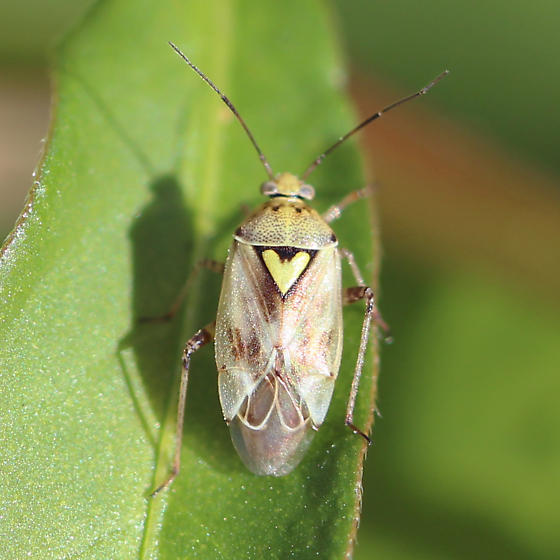
Adult lygus bugs are around 6 mm in length and have a prominent V-shaped pattern across their backs. Lygus bugs typically overwinter in debris or weedy areas, become active in late spring, laying eggs on stems of flowering plants as early as 10 d after emergence (Anthon 1993; Dara et al. 2025). Eggs are white, kidney-shaped, 1 mm in length, and hatch in 1 to 4 weeks. Nymphs are wingless and a yellow-green color that darkens as they develop into adulthood. Three to four generations are typical within a growing season (Anthon 1993; Dara et al. 2025).
Management
Manage weeds in and around the crop as this disrupts lygus bug overwintering and egg laying capabilities (Barlow et al. 2015; Zalom et al. 2018). Parasitoid wasps, bigeyed bugs (Geocoris spp.), damsel bugs, and minute pirate bugs provide some level of biological control, particularly during the nymph stages. Insecticides are an option but should be avoided as they negatively affect natural predators that keep other insect pests and spider mites under control (Zalom et al. 2018).
Shot Hole Borers
Distribution
The Euwallacea fornicatus species complex is native to Southeast Asia and is currently found in Asia, Australia, Africa, South America, and North America (Danthanarayana 1968; Rabaglia et al. 2006). A species complex consists of species now considered genetically distinct, but which are morphologically identical and were historically considered the same species (Hending 2025). They are often referred to as the same species in much of the relevant literature.
The tea shot hole borer (TSHB) is particularly problematic on tea in Sri Lanka and Southern India (Danthanarayana 1968). The TSHB and the morphologically identical polyphagous shot hole borer (PSHB), within the E. fornicatus species complex, have both been introduced to the United States (Eskalen n.d.; Li et al. 2015). The PSHB appears to have been first reported in California as the TSHB and was seen to be a vector of pathogen causing Fusarium dieback on avocado (Persea spp.) (Eskalen et al. 2012; Li et al. 2015). While the TSHB mainly affects tea plants worldwide, the PSHB in California has a wide range of woody hosts including oaks (Quercus spp.), maples, hollies, palms (Family: Arecaceae), sycamores (Platanus spp.), avocados, cherries (Prunus spp.), pears (Pyrus spp.), and peaches (Prunus spp.) (Eskalen et al. 2013). While the PSHB has not been reported on tea, its polyphagous nature and economic impact on other woody species in the United States should be considered.
Signs and Symptoms
Beetles in the E. fornicatus complex create holes, or galleries, in wood that are 1 to 4 cm in length (Eskalen n.d.). In the boring process, the host is inoculated with a fungus (Fusarium spp.), and in crops like avocado, the PSHB has been seen to cause Fusarium dieback (Eskalen n.d.; Li et al. 2015). Necrosis can be seen in woody tissue under the infested area (Eskalen n.d.). The Fusarium spp. deposited by the TSHB is usually only slightly pathogenic for the tea plant, with most damage being mechanical injury via gallery construction (Li et al. 2015). Wilting or breaking of branches, discoloration of leaves, and death may occur as a result of shot hole borer activity and fungal growth (Li et al. 2015; Mendel et al. 2012). Some states, like Florida, have laws regarding the movement and transport of wood, termed “don’t move firewood”, to slow the spread of shot hole borers (Gomez et al. 2023).
Life Cycle
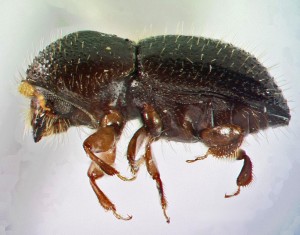
Beetles of the E. fornicatus species complex are 1.5 to 2.5 mm in length, with females generally larger than males (Eskalen n.d.; Li et al. 2015). Females are darker in color and are more common than males, which are often lighter in color (Jones and Paine 2015). The female shot hole borer lays eggs in the mycelia of the fungal symbiont, from which they will feed as larvae and maturing adults. After the larvae pupate, the hatched adults will mate in the gallery. The females collect and transport fungal spores to the new gallery they will create, either by flying to a new host or remaining on the current host (Li et al. 2015; UC IPM n.d.).
Management
Physical and cultural control includes painting tree trunks to repel adult shot hole borers, as well as pruning and destroying infested plant material. While insecticides can be used to prevent reinfestation by shot hole borers, none are available to treat a current infestation (Krawczyk 2023). The use of the fungus Beauveria bassiana has been discussed throughout the literature for biological control of bark beetles (Wegensteiner et al. 2015). See Table 2 for chemical control options.
Leaf Eating Weevils
Distribution
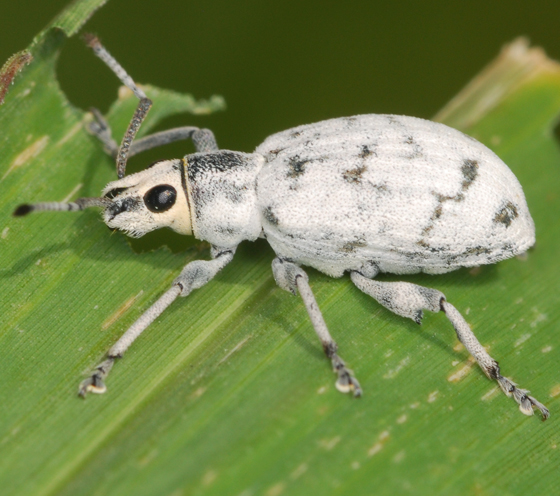
Leaf eating weevils of the genus Myllocerus are largely tropical, with prominent species originating in India and Sri Lanka. Regions of Australia and Africa are also home to many species, and only one species, Myllocerus undecimpustulatus undatus, is reported as prominent in the United States (O’Brien et al. 2006; Ramamurthy and Ghai 1988). M. undecimpustulatus undatus, native to Sri Lanka, was first found in Florida in 2000 and had spread to 12 counties by 2006 (Neal 2021; O’Brien et al. 2006). While M. undecimpustulatus undatus is not reported to affect tea or the Theaceae family, it has a notably wide host range, and there are Myllocerus spp. that do feed on tea in other countries (Light 1928; Malumphy and Reid 2017).
Signs and Symptoms
Myllocerus spp. larvae tend to cause feeding damage on roots, while adults cause feeding damage on leaves. Adult weevils often prefer newer vegetative growth, sometimes causing complete defoliation, stunting, and death of seedlings (Neal 2021). Larvae generally chew into the internal tissues of the main root, hollowing out the root as they feed (Paunikar 2015).