Program Leader

Carol Miles
Email Address: milesc@wsu.edu
Dr. Carol Miles has diverse international experiences both growing up and in her early career where she has lived in subsistence agriculture communities in places such as Panama, Afghanistan, Cameroon, Malawi and Tanzania. Carol received her BS (1983) in Bio-Agricultural Science from Colorado State University, and her MS (1989) and PhD (1993) in Vegetable Crops from the Department of Fruit and Vegetable Science at Cornell University. Carol’s goal has been to work with farmers to create sustainable production systems which provide a source of well-being to both the family and the community.
Program Technical Staff

Edward Scheenstra
Email Address: escheenstra@wsu.edu
Ed Scheenstra grew up in eastern Washington, living on farms in both the Yakima Valley and the Tri-Cities area. After obtaining his BS in Environmental Science in 1999, he spent 4 years working with the Weed Science Department and USDA-ARS in Pullman, WA. Ed has lived in the Mount Vernon area since 2004 and is excited to be back with WSU as a part of the Vegetable Horticulture team.
Program Office and Field Staff

Adam Elcan
Email Address: adam.elcan@wsu.edu
Adam Elcan’s work focuses on cider apple research with Aidan Kendall in addition to helping with other Vegetable Horticulture projects. Born and raised in the foothills of the Blue Ridge mountains in Virginia and currently residing in Bellingham, Adam made the move from the east coast after graduating with a BS in Geology from Appalachian State University in Boone, NC. During the winter months he can typically be found exploring the Cascades on skis and honing his skills as an amateur photographer. He also enjoys hiking, biking, and sea kayaking when there’s no snow in the mountains and has recently been experimenting with brewing fruit wines.
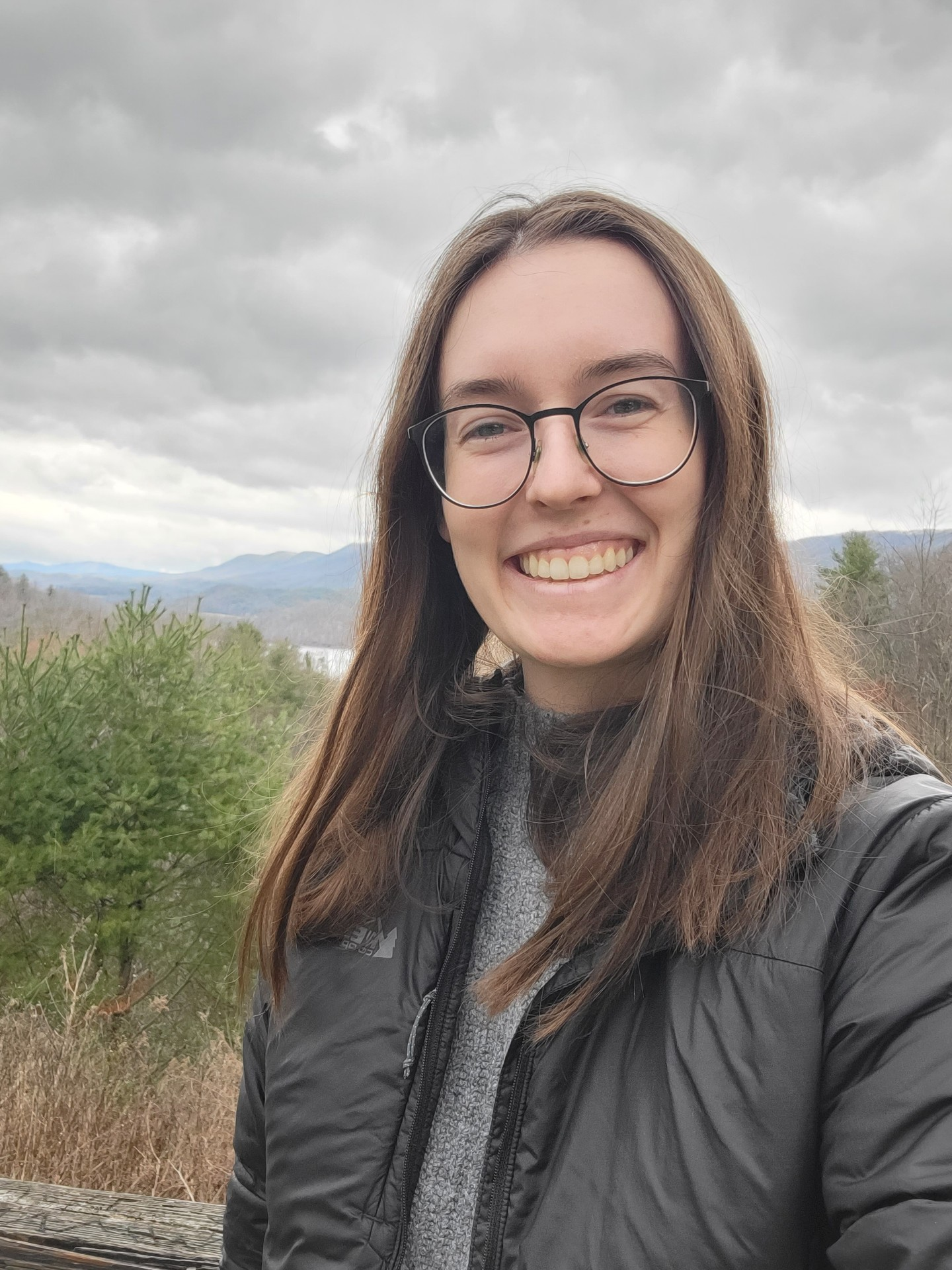
Madeline Zwergel
Email Address: madeline.zwergel@wsu.edu
Madeline grew up in Madison, Wisconsin and earned a BA in Environmental Studies, Geography, and Organic Agriculture from the University of Wisconsin-Madison in May 2023. As an undergraduate, she found a love for plant sciences through working in multiple fruit and vegetable horticulture labs. In her free time, she enjoys hiking, watching anime, and exploring the beautiful Pacific Northwest.

Jessica Weaver
Email Address: jessica.weaver@wsu.edu
Jess Weaver graduated from Western Washington University with a BSc in Biology and an emphasis in ecology as well as a minor in Sociology. Their previous research experiences include university level science education, tree root microbiology, and pesticide use on berry crops. They live in Bellingham with their black cat Salem and they enjoy cross stitch, painting, video games, and identifying fungi and native plants in their spare time.
Program Graduate Students
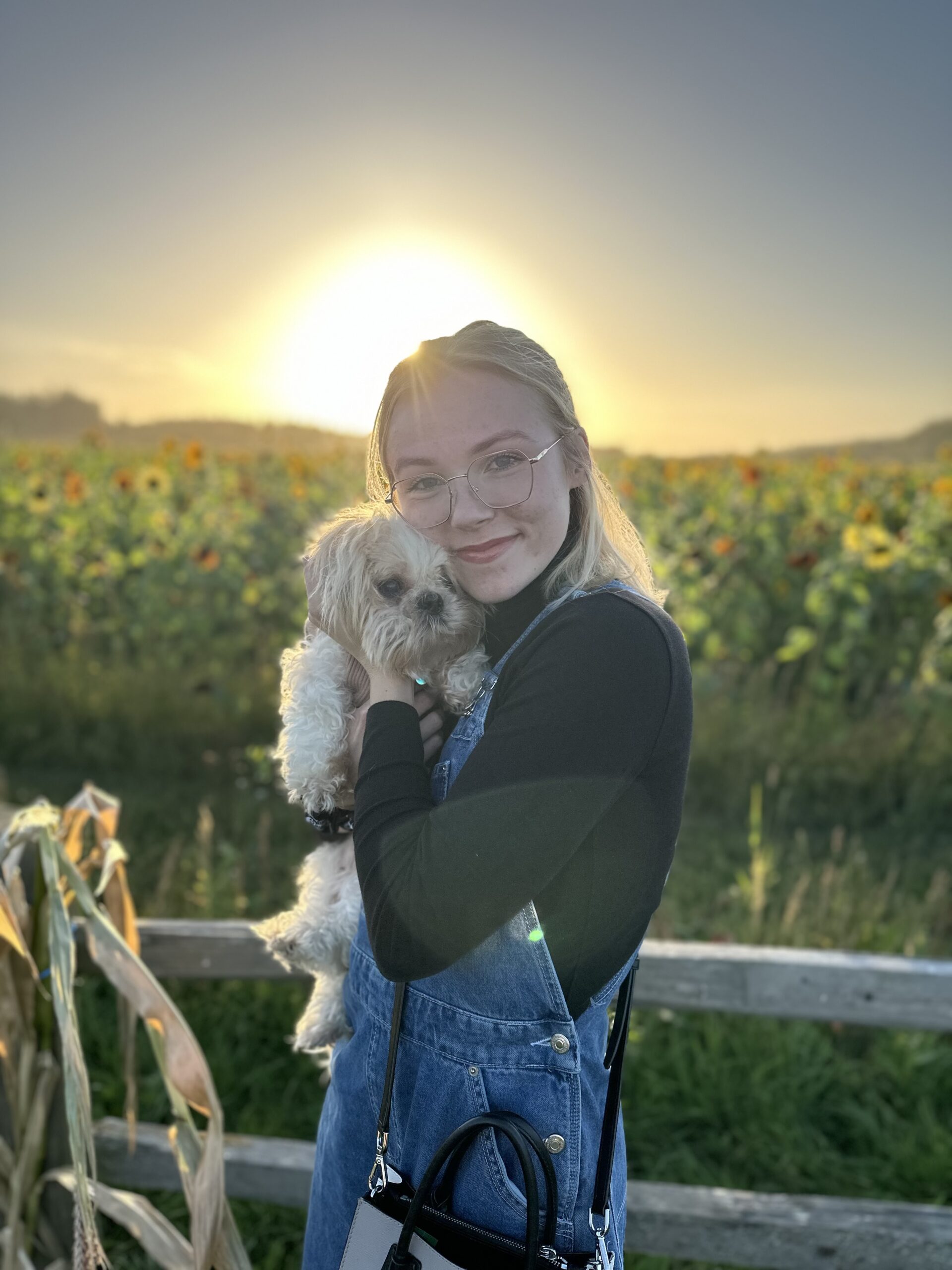
Autumn Coker
Email Address: autumn.coker@wsu.edu
Autumn Coker spent most of her childhood living on Whidbey Island, WA. She completed her BS in Biology at WSU Pullman in 2022. Her love for plants comes from her volunteer work for the restoration of native plant habitats. She continued volunteer work at NWREC this spring, with the cider apple and sweet potato projects. She joined the MS Agriculture program in August 2025 and her research focus will be on tea cultivation. In her free time, Autumn loves reading, camping, and spending time with her dog.
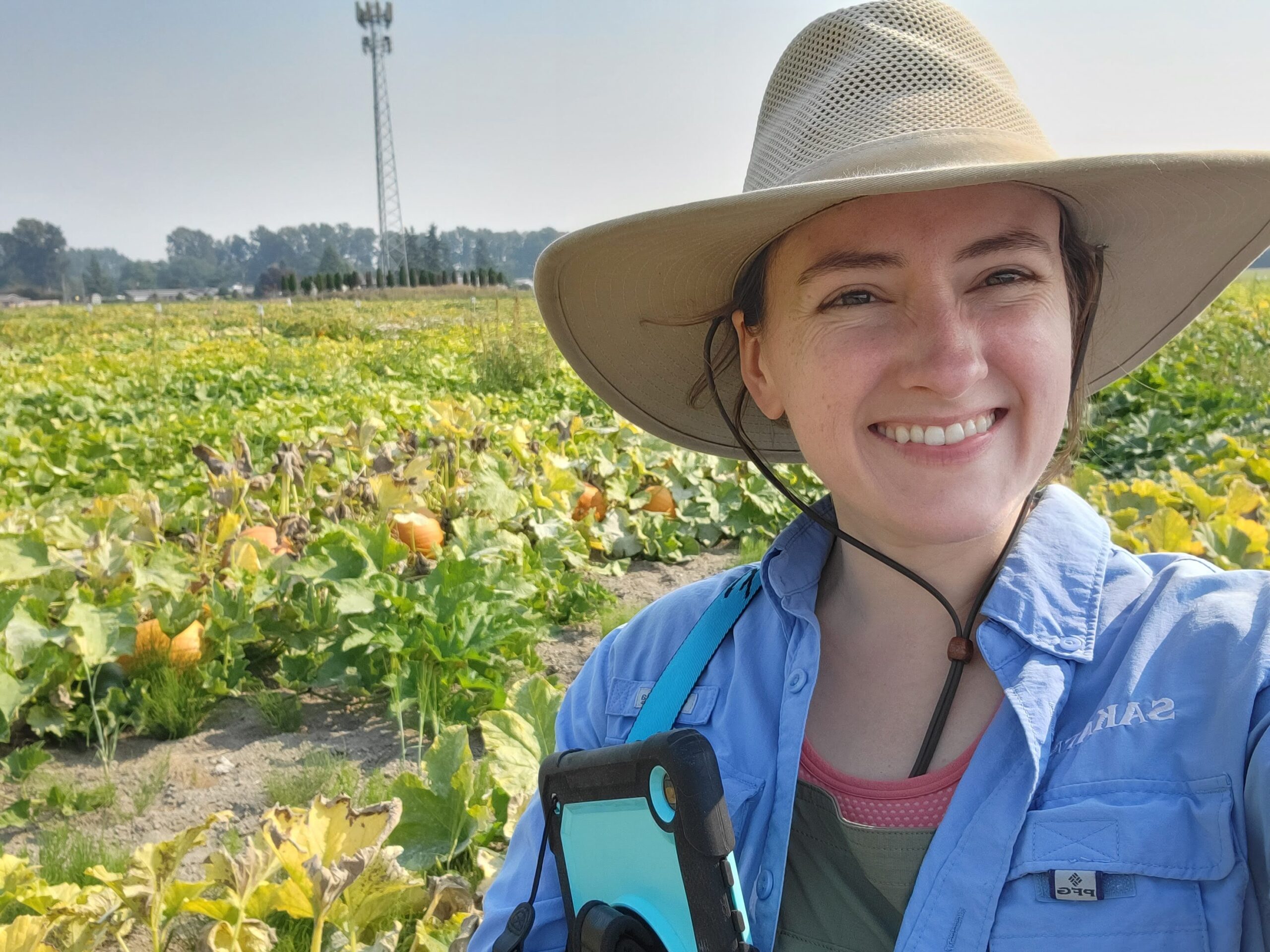
Stephanie Crane
Email Address: stephanie.crane@wsu.edu
Stephanie Crane spent most of her childhood in the Pacific Northwest and earned her BS in Biology and Anthropology from Western Washington University in 2013. After her undergrad, she began working for Sakata Seed America in their plant pathology lab, where she is currently employed as an Associate Plant Pathologist. In 2023, she completed an M.S. in Agriculture Plant Health Management from WSU where she researched bacterial leaf spot on beet and Swiss chard. She will be starting her PhD in Horticulture under Dr. Carol Miles in the fall of 2026, where she will be researching cucurbit horticultural traits associated with resistance to Phytophthora blight. Outside of work she enjoys dancing, gardening, hiking, and adventuring with her two dogs.

McKenzie Shelton
Email Address: morgan.shelton@wsu.edu
McKenzie Shelton is an incoming master’s student who will be working with tea plants under Dr. Carol Miles. She grew up in Auburn, Alabama, attending Auburn University for her BS in Organismal Biology. McKenzie spent the last three years living in Honolulu, Hawaii, and working as a server in Waikiki. She is very excited to be returning to lab work and furthering her education, all while exploring a beautiful new part of the country. Outside of her professional interests, McKenzie loves reading, yoga, doing puzzles, and catching sunsets.

Srijana Shrestha
Email Address: srijana.shrestha@wsu.edu
Srijana Shrestha was born and raised in the Lamjung district in Nepal. She completed her BS in Agriculture in 2018 from the Agriculture and Forestry University, Nepal. She worked for one year as a project officer in Biodiversity and Resource Management for Sustainable Food Security in Mountain Community Project with the Nepal Group of Helping Hands, in the very remote Dailekh district of Nepal. She joined the Vegetable Horticulture program at WSU Mount Vernon NWREC in Spring 2020 and completed her MS project in Spring 2022 with a focus on new crops for the region and soil-biodegradable plastic mulch. She commenced her PhD project in Fall 2022 with a focus on tea plant propagation.
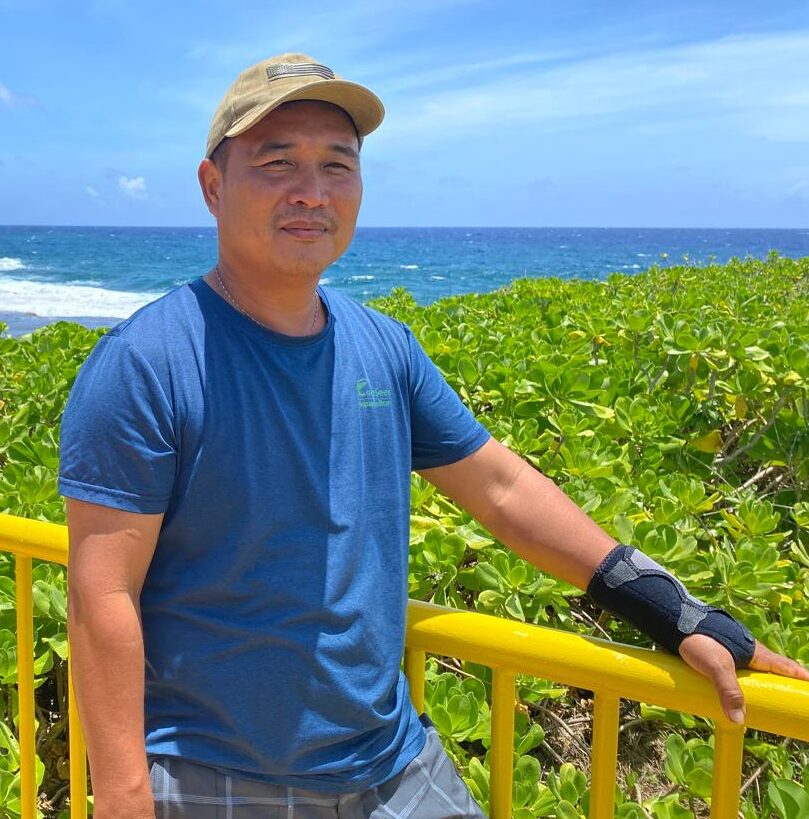
Steven Young Uhk
Steven Young-Uhk earned his BS in Agriculture and a Postgraduate Diploma from the University of the South Pacific (1999, Samoa; 2007, Fiji) and his MS in Sustainable Agriculture, Food, and Natural Resources from the University of Guam (2022, Guam). He has worked for over 20 years at the College of Micronesia-Federated States of Micronesia (COM-FSM) and is currently the Vice President for the Department of Cooperative Research and Extension. Steven’s PhD research will explore the use and feasibility of washed-up seagrass in sweet potato cultivation to address the challenges of island agriculture and food production systems and to introduce climate-smart agriculture practices for food production resiliency.
Former Graduate Students
- Laura Schulz. PhD 2023–2026. Finding the Sweet Spot with Sweetpotatoes: Evaluating Wireworm Resistance, In-Row Spacing, and Dual Cropping Greens and Roots in Northwest Washington.
- Jordan White. MS 2024–2026. Putting Down Roots: Growing Sweetpotato with Unique Traits and Plastic Mulch in Northwest Washington.
- Alex Cornwall. PhD 2020–2025. Integrative Approaches to Understanding and Identifying Lactuca Species: Phylogenetics, Morphology, and Machine Learning Applications at a Genebank Level.
- Diego Martinez. MS in Ag 2024. Research Focus: Growing strawberries in substrate under high tunnels and strategies of powdery mildew management at Lepp Farms, Abbotsford, B. C., Canada.
- Seth Brawner. MS 2022–2024. Mechanization in the cider apple orchard to reduce labor time.
- Ann Kowenstrot. MS in Ag 2021–2023. Research Focus: Rhubarb Research in Alaska and Recommended Varieties for Commercial Production.
- Aiden Kendall. MS 2020–2022. Regulated deficit irrigation and the effects of mechanical hedging in cider apples.
- Pinki Devi. PhD 2017–2021. Optimizing watermelon grafting to enhance grafting efficiency and its impact on fruit maturity and quality.
- Abigail Attavar. MS 2017–2019. Grafting as a management practice for Verticillium wilt: Evaluating Cucurbitaceae and Solanaceae rootstocks for resistance.
- Yao Mu. MS 2017–2019. Identifying bulb fennel cultivars suitable for organic production in NW WA.
- Fairuz Boujaila. PhD 2016–2018. Tomato production under high tunnels; application rates and timing of different types of fertilizer.
- Shuresh Ghimire. Ph.D. 2015–2018. Biodegradable plastic mulch for pumpkin and sweet corn production.
- Travis Alexander. Ph.D. 2015–2018. Advancing Washington state cider apple production through a branch-to-bottle assessment of mechanized harvest and a comparison of regional juice quality.
- Sahar Dabirian. MS 2015–2017. Optimizing watermelon grafting to control Verticillium wilt in Washington.
- Whitney Garton. MS 2015–2017. Apple anthracnose canker control in cider apple orchards in western Washington.
- Robin Taylor. MS in Ag 2015–2016. Quantification of food policy groups within the Puget Sound region.
- Charlene Grahn. MS 2013–2015. Direct market production of baby-leaf salad greens during spring and fall seasons in Western Washington.
- Jesse Wimer. MS 2013–2015. Grafting Watermelons to Manage Verticillium Wilt in Washington State.
- Kelly Atterberry. MS 2013–2015. Nutrition education and school garden projects with K-12 students to promote consumption of dry beans.
- Jeremy Cowan. PhD 2010–2013. The Use of Biodegradable Mulch for Tomato and Broccoli Production: Crop Yield and Quality, Mulch Deterioration, and Grower’s Perceptions.
- Sacha Johnson. MS 2010–2012. Grafting Eggplant, Tomato, and Watermelon to Manage Verticillium Wilt Caused by Verticillium Dahliae.
- Callie Bolton. MS 2009–2011. Organic weed control in a newly established vineyard.
- Holly Ingle. MS 2008–2010. The effect of environment and management on yield and NO3-N concentrations in organically managed leafy greens.
- Jamie Cummings. MS 2006–2007. Evaluation of seed and drench treatments for management of damping-off and seedling blight pathogens of spinach for organic production.
- Kristy Ott. MS 2006–2007. Impacts of winter growing conditions on yield and nitrate accumulation in organically produced leafy greens.
- Jennifer Wagner. MS 2004–2006. Heirloom-niche market dry bean (Phaseolus vulgaris) as an alternative crop for small-scale farmers.
- Vincent Mwale. MS Bunda College of Agriculture, Malawi, 2004–2006. Performance and stability of advanced bean (Phaseolus vulgaris) lines under two systems of on-farm evaluation in the bean agro-ecological zones of Malawi.
Our pages provide links to external sites for the convenience of users. WSU Extension does not manage these external sites, nor does Extension review, control, or take responsibility for the content of these sites. These external sites do not implicitly or explicitly represent official positions and policies of WSU Extension.